
The Subtle Body: Understanding Your Energetic Self
Yoga reaches far beyond the physical body. Its effects move into the subtle body—your energetic or esoteric self. This inner world holds many layers of who you are, and through yoga practice, you gently peel these layers back to connect with your true essence.
When you understand your subtle body, you also begin to understand yourself on a deeper level.

Layers of the Subtle Body
The subtle body includes four main systems:
- Chakras (चक्र — “wheel” or “energy center”)
- Prana (प्राण — “life force” or “vital energy”)
- Nadis (नाड़ी — “flowing channel” or “tube”)
- Koshas (कोश — “sheath” or “layer”)
Chakras

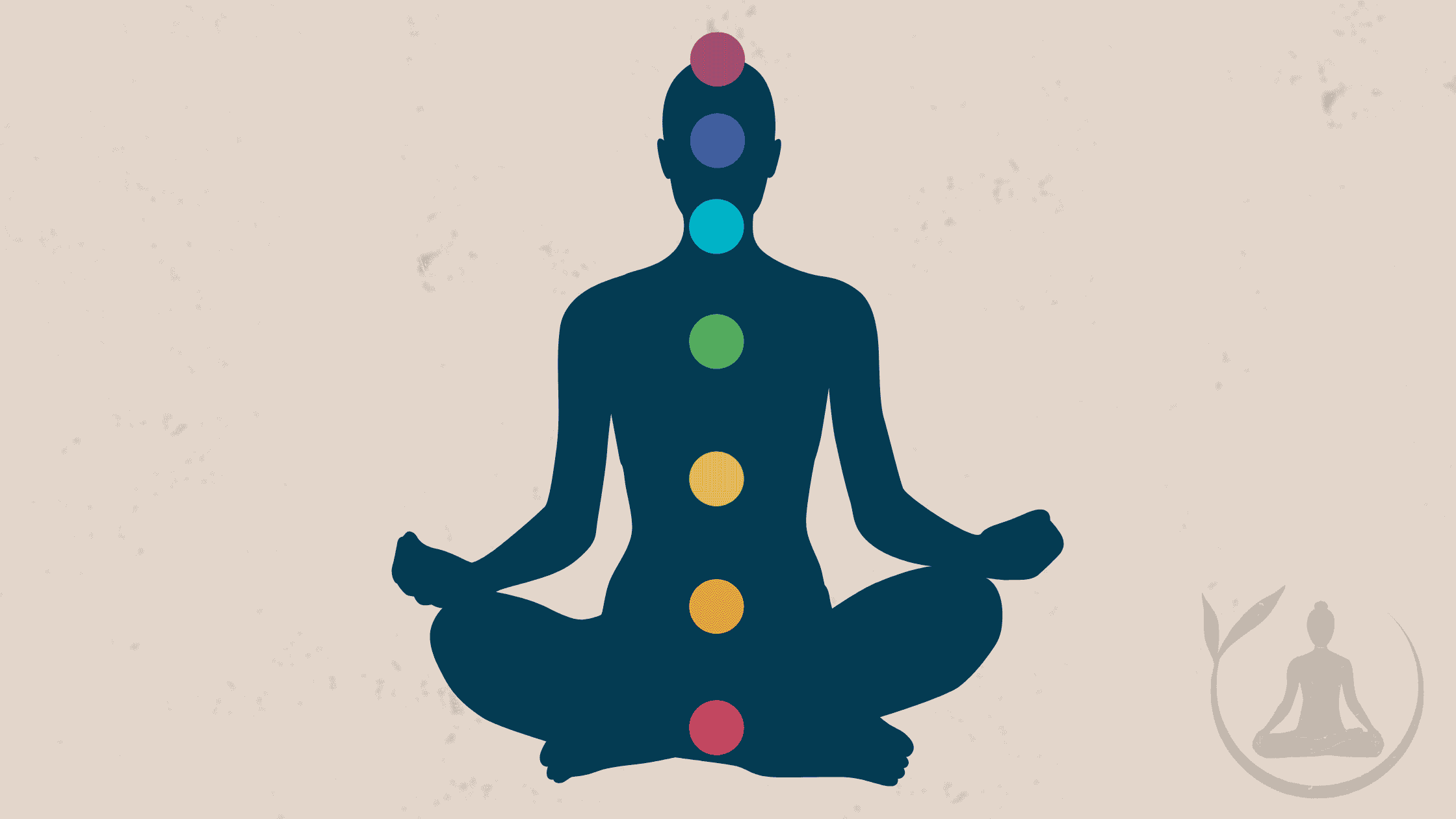
Chakra (चक्र) means “wheel”—referring to spinning centers of energy within the subtle body. Humans have 12 chakras, but 7 are considered the primary ones.
Each chakra has its own vibration and role in your physical, emotional, mental, and spiritual health.
The 7 Main Chakras and Meanings
Root Chakra – Muladhara (मूलाधार)
- Meaning: “Root support”
- Color: Red
- Location: Base of spine
- Mantra: Lam
Sacral Chakra – Svadhisthana (स्वाधिष्ठान)
- Meaning: “One’s own dwelling place”
- Color: Orange
- Location: Below the navel
- Mantra: Vam
Solar Plexus – Manipura (मणिपूर)
- Meaning: “City of jewels”
- Color: Yellow
- Location: Above the navel
- Mantra: Ram
Heart Chakra – Anahata (अनाहत)
- Meaning: “Unstruck sound”
- Color: Green
- Location: Center of chest
- Mantra: Yam
Throat Chakra – Vishuddha (विशुद्ध)
- Meaning: “Purification”
- Color: Blue
- Location: Base of throat
- Mantra: Ham
Third Eye – Ajna (आज्ञा)
- Meaning: “Command center” or “Perception”
- Color: Violet
- Location: Brow center
- Mantra: Aum
Crown Chakra – Sahasrara (सहस्रार)
- Meaning: “Thousand-petaled”
- Color: White
- Location: Crown of the head
- Mantra: Aum
Prana
Key Points About Prana
Prana (प्राण) means “vital life force”. It’s the subtle energy that animates your body and mind.
- It flows through every living being
- It moves through pathways called nadis
- It collects in chakra centers
- Balanced prana leads to clarity, vitality, and inner peace

The Five Prana Vayus
Vayu (वायु) means “wind,” “movement,” or “flow.”
The Prana Vayus are the five major movements of prana (life force) within the subtle body. Each one governs a specific direction of energy and a specific function of body–mind.
Understanding the vayus helps yogis work with energy more intentionally and bring balance to the whole system.
1. Prana Vayu (प्राण वायु)
Meaning: “Forward-moving air”
Direction: Inward + upward
Location: Heart + chest + lungs
Functions:
- Breathing
- Receiving life force
- Sensory perception
- Emotional experience
Best Practices to Balance:
- Breath awareness
- Heart-opening poses
- Pranayama like Ujjayi or gentle deep breathing
2. Apana Vayu (अपान वायु)
Meaning: “Downward-moving air”
Direction: Downward + outward
Location: Lower abdomen, pelvis
Functions:
- Elimination (physical + energetic)
- Grounding
- Stability
- Letting go
Best Practices to Balance:
- Forward folds
- Hip-opening poses
- Rooting/grounding practices
- Slow exhalation focus
3. Samana Vayu (समान वायु)
Meaning: “Balancing or equalizing air”
Direction: Inward toward the center
Location: Navel + digestive fire (Agni)
Functions:
- Digestion + assimilation
- Integration of experiences
- Centering
- Core strength
Best Practices to Balance:
- Twists
- Core activation
- Breath retention (kumbhaka)
- Mindful eating
4. Udana Vayu (उदान वायु)
Meaning: “Upward-moving air”
Direction: Upward
Location: Throat + head
Functions:
- Speech + expression
- Growth + transformation
- Confidence
- Spiritual ascent
Best Practices to Balance:
- Chanting / mantra
- Backbends
- Neck/throat opening
- Ujjayi breath
5. Vyana Vayu (व्यान वायु)
Meaning: “Pervading or diffusing air”
Direction: Outward + circulating
Location: Whole body
Functions:
- Circulation
- Movement of energy everywhere
- Coordination
- Overall vitality
Best Practices to Balance:
- Full-body flows
- Sun salutations
- Restorative yoga
- Overall balanced practice
Simple Summary
| Vayu | Direction | Location | Purpose |
|---|---|---|---|
| Prana | inward/upward | chest | life intake, breath, senses |
| Apana | downward/outward | pelvis | elimination, grounding |
| Samana | inward/centripetal | navel | digestion + integration |
| Udana | upward | throat/head | expression, transformation |
| Vyana | circulating | whole body | circulation + movement |
If you’d like, I can add this section to your subtle body blog post, or create a Pinterest graphic, WordPress-optimized layout, or PDF handout for your yoga students.
Balancing Prana
- Pranayama — direction of breath (prana = life force + ayama = expansion or control)
- Asana — physical postures
- Meditation
- Chakra work
- Sound / mantra
Nadis
Nadi (नाड़ी) translates to “channel,” “tube,” or “stream.”
These subtle channels carry prana throughout your energetic and physical body.
Though thousands exist, three are the most important in yoga.
The 3 Main Nadis and Meanings
Ida Nadi (इडा नाड़ी)
- Meaning: “Comfort” or “moon channel”
- Left side of the body
- Cooling, intuitive, feminine energy
Pingala Nadi (पिङ्गला नाड़ी)
- Meaning: “Tawny/solar channel”
- Right side of the body
- Warming, active, masculine energy
Sushumna Nadi (सुषुम्णा नाड़ी)
- Meaning: “Very gracious” or “most kind”
- Central channel
- Connects all chakras
- Pathway for kundalini energy
Breath Connection
- Left nostril = Ida
- Right nostril = Pingala
- Balanced through Nadi Shodhana (नाड़ी शोधन) — “purification of the channels”
Koshas
Kosha (कोश) means “sheath” or “layer.”
These layers surround the true Self (Atman) and describe the full human experience.
The 5 Koshas and Meanings
1. Annamaya Kosha (अन्नमय कोश)
- Meaning: “Food-made sheath”
- Physical body
- Balanced through movement, rest, nourishment
2. Pranamaya Kosha (प्राणमय कोश)
- Meaning: “Energy-made sheath”
- Breath + life force body
- Balanced through pranayama and mindful movement
3. Manomaya Kosha (मनोमय कोश)
- Meaning: “Mind-made sheath”
- Thoughts, emotions, mental patterns
- Balanced through meditation + mindfulness
4. Vijnanamaya Kosha (विज्ञानमय कोश)
- Meaning: “Wisdom-made sheath”
- Intuition, insight
- Balanced through deep meditation, reflection
5. Anandamaya Kosha (आनन्दमय कोश)
- Meaning: “Bliss-made sheath”
- Deep peace, joy, and spiritual connection
- Felt in meditation, stillness, devotion
In Closing
As you explore the layers of the subtle body—its chakras, prana, nadis, koshas, and the gentle currents of the five vayus—you begin to see that yoga is so much more than movement. It’s a journey inward, peeling back what no longer serves you and reconnecting with the intelligence already within. When you understand your own energy, you understand yourself on a deeper, more compassionate level. And from that place, life feels a little more aligned.